




Quick Links
Utility Pages
© Copyright 2026 by nexoraacademy.com

Choosing among the many skill development courses in Kerala can be easier when you start with your career goal rather than the course name. A program that is suitable for a Plus Two graduate may not be the right choice for a degree holder, working professional or someone planning a career change.
The right course should help you develop relevant knowledge and practical abilities for the career direction you want to pursue. This means looking beyond certificates and considering curriculum, practical exposure, learning methods, career relevance and the credibility of the training institution.
This guide explains the key factors Kerala students, graduates and working professionals should consider before selecting a career-oriented skill development course.
The right skill development course should match your educational background, career objective, interests and desired industry. Compare the curriculum, practical learning opportunities, certification, course format, trainer expertise and career relevance before enrolling. Most importantly, choose a program that develops useful skills rather than selecting a course only because it is popular.
Start with a specific career objective.
Choose a course that matches your educational background.
Check whether the curriculum teaches practical and relevant skills.
Consider certification and the credibility of the institution.
Look for industry-oriented learning wherever it is genuinely offered.
Compare course content rather than relying only on course titles.
Consider how the skills can support your intended career pathway.
Your career goal should be the first factor you consider because different industries require different knowledge and skill sets. Before searching for job-oriented skill development courses in Kerala, ask yourself what type of work you want to pursue.
For example, someone interested in supply chain operations may benefit from logistics-focused education, while another learner interested in healthcare may need knowledge of hospital administration and healthcare operations. A student interested in technology may instead explore areas such as artificial intelligence, cybersecurity or software development.
Writing down your preferred industry, potential job roles and long-term career direction can make the selection process much more focused.
Your current qualification can determine which courses are appropriate for you. Plus Two graduates, diploma holders, degree graduates and working professionals may have different learning requirements.
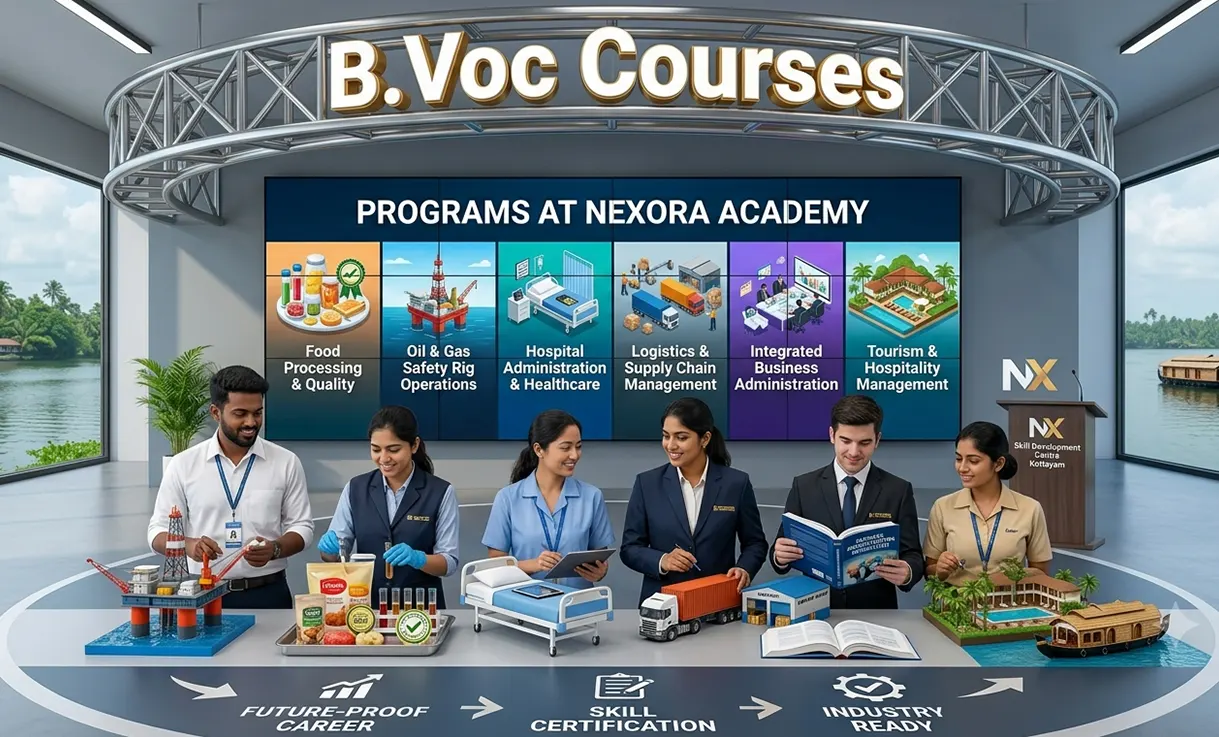
A learner seeking a longer academic pathway can explore structured options such as B.Voc programs, while someone looking for focused professional training may find professional diploma programs more relevant.
Do not choose a course simply because another student recommends it. Consider whether its entry requirements, academic level and learning expectations are appropriate for your own background.
The course title alone does not tell you what you will actually learn. Before enrolling, review the curriculum and identify the knowledge and practical competencies covered.
A good curriculum should have a logical connection between fundamental concepts and their professional application. Depending on the field, this could involve operational processes, documentation, analytical methods, technology, communication, management practices or industry-specific procedures.
Look for subjects that support your intended career rather than choosing a program because it contains attractive keywords. The curriculum should give you a clear understanding of what skills you are expected to develop by the end of the course.
Career-oriented education becomes more useful when learners have opportunities to apply what they study. Practical assignments, projects, case studies, simulations and workplace-oriented activities can help students understand how knowledge is used beyond the classroom.
For instance, logistics learners can benefit from understanding inventory, warehouse and supply chain processes. Healthcare administration learners may need exposure to administrative workflows and patient-service operations.
When comparing career skill development courses, ask how the program connects classroom concepts with practical situations. You can also explore Nexora Academy's certification programs when looking for focused professional learning options.
A career-oriented course should be connected to the expectations of its intended industry. This does not mean that every program needs to promise employment. Instead, learners should look for education that develops knowledge and capabilities relevant to real professional environments.
Industry relevance may include current processes, professional terminology, practical assignments, technology awareness, documentation practices and workplace communication.
For example, someone interested in logistics can consider a specialized Logistics and Supply Chain Management course and examine whether its learning areas align with their career interests.
Certification can be useful when it documents learning or demonstrates completion of a structured program. However, a certificate should not be the only reason for choosing a course.
Before enrolling in professional certification courses in Kerala, understand what the certification represents, who provides it and what skills or learning outcomes are associated with the program. Also check whether the certification is relevant to your intended industry.
A useful approach is to evaluate certification alongside curriculum, practical learning, institutional credibility and career relevance. This gives you a more realistic basis for comparing programs.
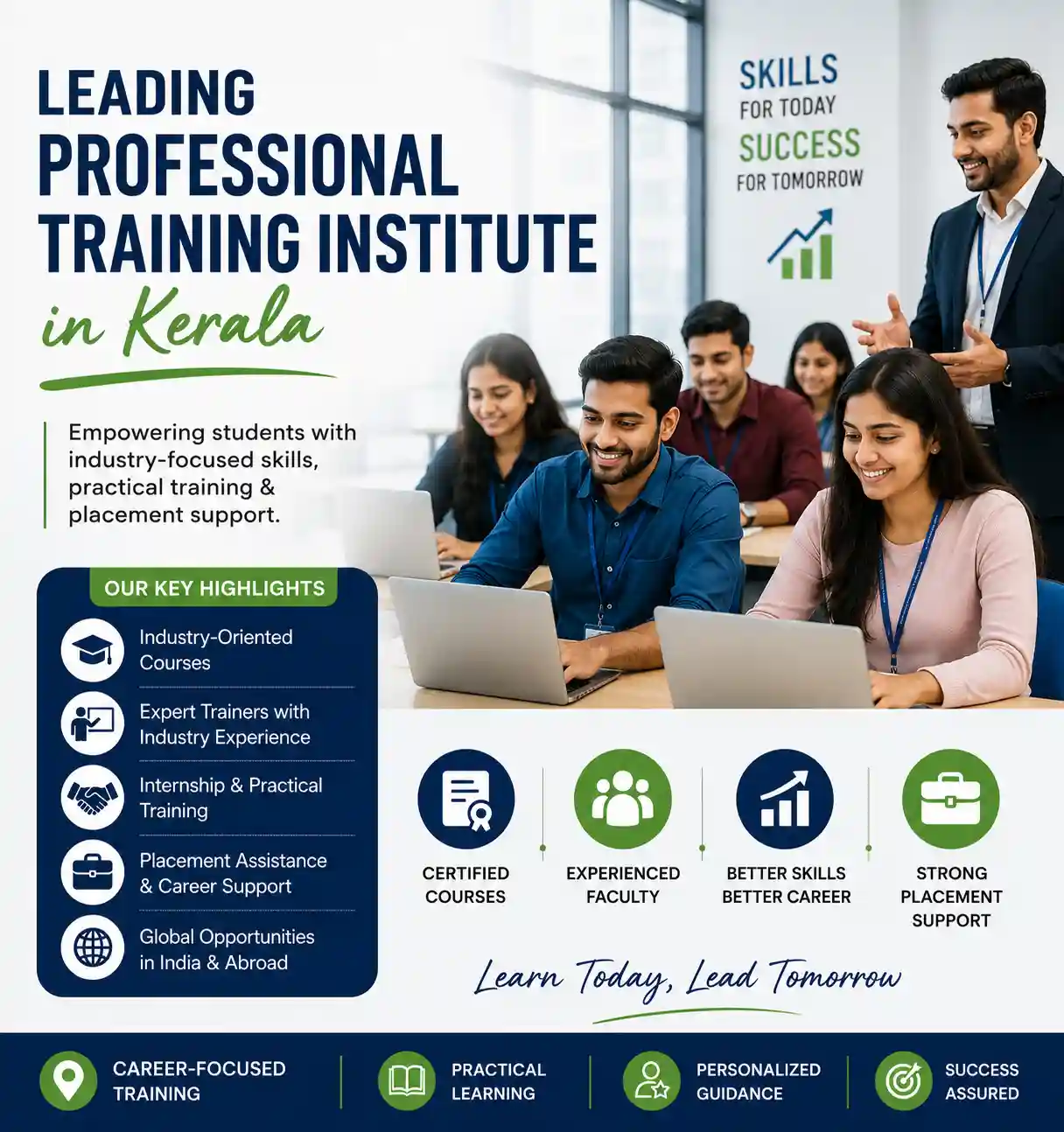
The training institution can influence your overall learning experience. When evaluating a skill development institute in Kerala, review its official information, academic offerings, learning environment, facilities and available student support.
Look for clear information about programs rather than relying entirely on advertisements or social media claims. You can also review the academy's facilities to understand the learning environment available to students.
If possible, ask the institution about the curriculum, eligibility, learning format, assessment methods and other program-specific details before making a decision.
Two courses can appear similar while preparing learners for different career directions. Therefore, compare them based on what you want to achieve.
Consider:
What skills does each course develop?
Which industries are relevant to the course?
Does the curriculum match your career objective?
Is the learning level suitable for you?
Does the course include practical components?
Is certification relevant to your intended field?
Does the learning format suit your schedule?
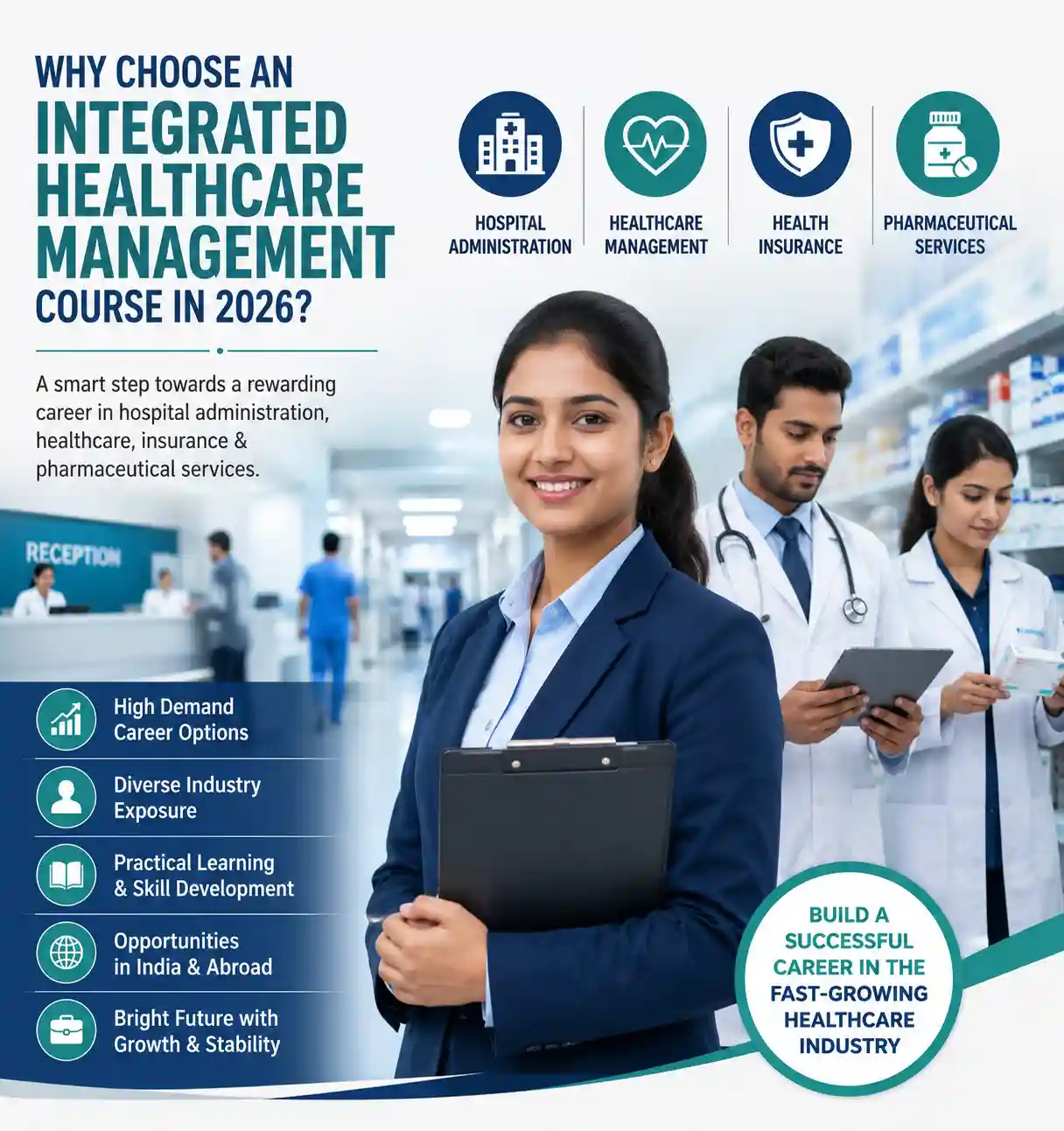
For example, learners interested in healthcare operations can examine a specialized B.Voc healthcare and hospital administration program rather than choosing a general program without considering their intended industry.
A good course should fit into a broader career-development plan. Think about what you may want to learn next after completing the program.
Some learners may progress from foundational education to professional certification, while others may pursue advanced qualifications or specialize in a particular industry. Structured options such as professional certification programs can form part of a continuing learning pathway when they match the learner's goals.
This approach helps prevent choosing a course only for short-term reasons. Your decision should consider both immediate skill development and the direction in which you want your career to grow.
Choosing the right skill development courses in Kerala requires more than comparing course names or certificates. Your educational background, career objective, curriculum, practical learning, industry relevance and long-term development plan should all influence the decision.
Whether you are a student, graduate, job seeker or working professional, take time to compare your options carefully. A career-focused program that matches your goals can help you build relevant knowledge and skills for your chosen professional direction. Nexora Academy offers different learning pathways that learners can explore based on their individual career objectives
Nexora Academy : Career-Focused Learning?
Nexora Academy focuses on career-oriented education and skill development across multiple professional and vocational areas. Its program portfolio includes undergraduate, postgraduate, diploma and certification pathways.
Learners can review the available career-focused courses at Nexora Academy and compare programs according to their educational background and career interests. Program-specific details should always be confirmed with the academy before enrolment, as eligibility, curriculum and other requirements can vary between courses.
Before making your decision, identify your career goal, compare relevant programs and review the latest course details. If you are unsure which pathway suits your background, speaking with a course advisor can help you understand the available options and make a more informed choice.
.
Choose a course based on your career objective, educational qualification, interests and intended industry. Review the curriculum, practical learning opportunities, certification, learning format and institution before enrolling. A course that develops skills relevant to your desired career is generally more useful than choosing a program simply because it is popular or advertised as highly demanded.
Job-oriented skill development courses are programs designed around practical knowledge and competencies relevant to specific professional roles or industries. They may focus on areas such as logistics, healthcare administration, business, technology, food safety or other professional fields. Career outcomes depend on factors such as skills, qualifications, experience, employer requirements and market conditions.
Professional certification courses can support career development when the learning content and certification are relevant to the learner's intended field. However, certification alone does not guarantee employment. Students should evaluate the curriculum, practical learning, credibility of the certification and how closely the program matches the skills expected in their target industry.
Check the institution's course offerings, curriculum, eligibility requirements, learning methods, practical components, faculty or trainer information where available, facilities and student support. It is also useful to confirm current program details directly with the institution. Avoid selecting a training provider solely on claims about placements, salaries or career guarantees.
There is no single best course for every Plus Two graduate. The appropriate choice depends on your interests, academic background and career objective. Students should first identify the industry they want to enter and then compare relevant vocational, undergraduate, diploma or certification pathways based on curriculum, practical learning and future educational progression.